Five years later, we're still hoping you never need us
.png)
But Watch Duty is backed by 450+ people who show up for when you do
Five years ago, John Mills learned a fire was burning near his home in Sonoma County the same way too many people do — by hearing fire aircraft overhead. No alert, no warning, and no information on what to do next.
So he started looking for solutions. He met with local fire chiefs and connected with community members who were listening to radio scanners and posting information from emergency officials on social media.
Among them were Evan Jacobs, Josh Leone, and Sara Paul, who each separately covered fires in Sonoma County on Facebook. They banded together with John to lend their reporting expertise and help build what we now know as Watch Duty.
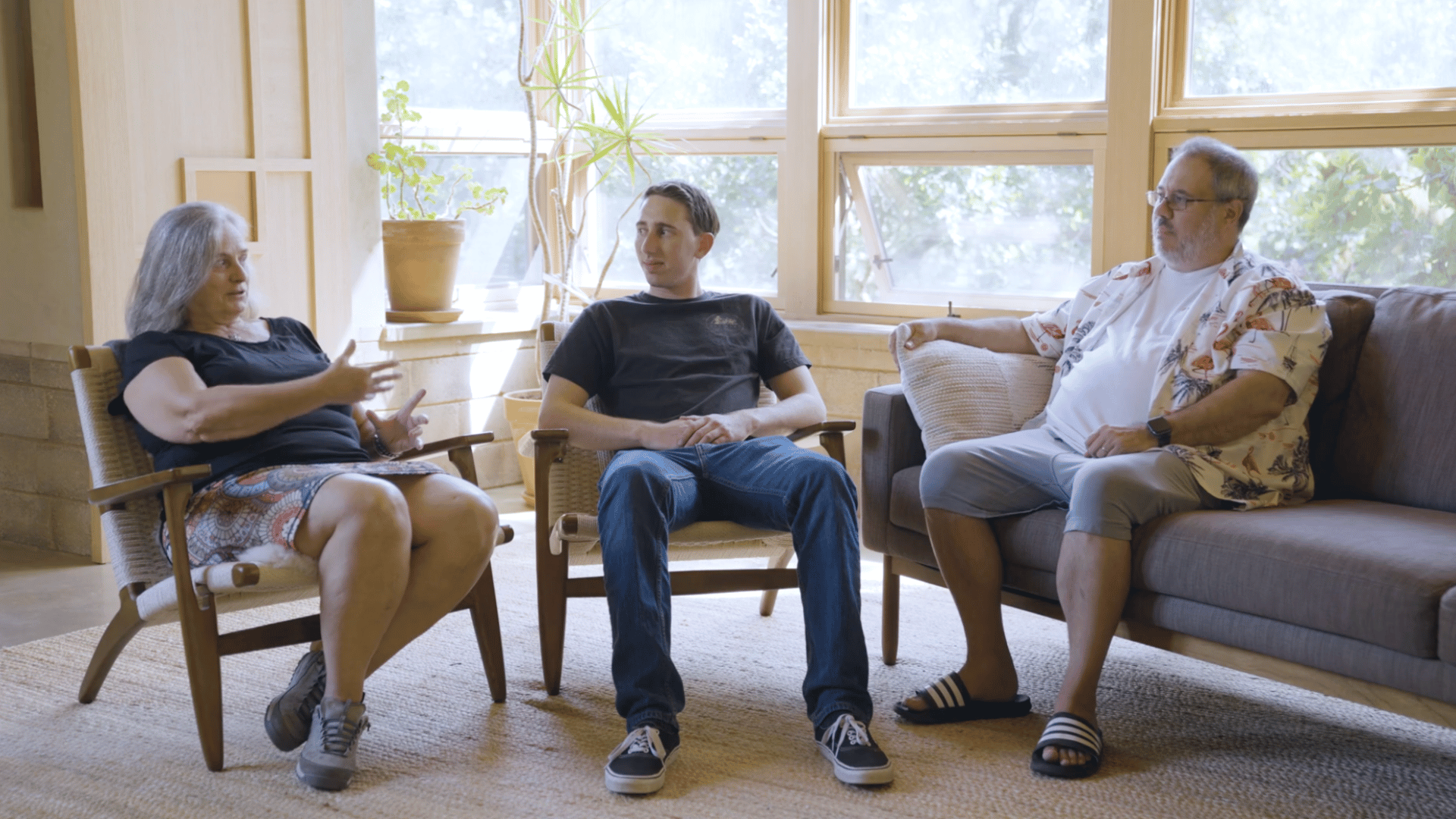
Watch their conversation on what it took to create Watch Duty.
Started with humans, scaled with humans
Watch Duty officially launched in August 2021, five years ago this week. The team developed the roots of the same model we use at-scale today: pulling in current and former dispatchers, firefighters, and emergency professionals to create an accessible, centralized, human-vetted hub for disaster information. Like Josh, some reporters cover and alert on geographies that include their own community. Others are states away, awake at 2 a.m. because someone there needs the next update.
“We found cohorts of people that were doing it just like us and expanded from there. There's also a lot of PTSD [from previous experiences] within the reporting staff — people who have lost homes, and that was why they wanted to get involved in Watch Duty,” says Josh.
What started as coverage in just four counties in California has turned into nationwide disaster tracking and a lifeline for emergency professionals and communities across the U.S. The team grew to match: 450+ staff and volunteers, including engineers, meteorologists, and reporters working to get life-saving information to communities across the country.
Expanding beyond wildfire
In June 2026, we launched coverage for major floods. Our model is transferrable, now working to address the same gap in flooding alerts that existed for wildfires. “We want to report on floods that are truly life-threatening to make sure people who are in harm's way have the information. We’re taking in signals that come into our system, radio traffic, alerts for various emergency agencies, and translating that.” — Geoff Havens, Watch Duty reporter and flooding operations manager
.png)
Growing Disaster Landscape
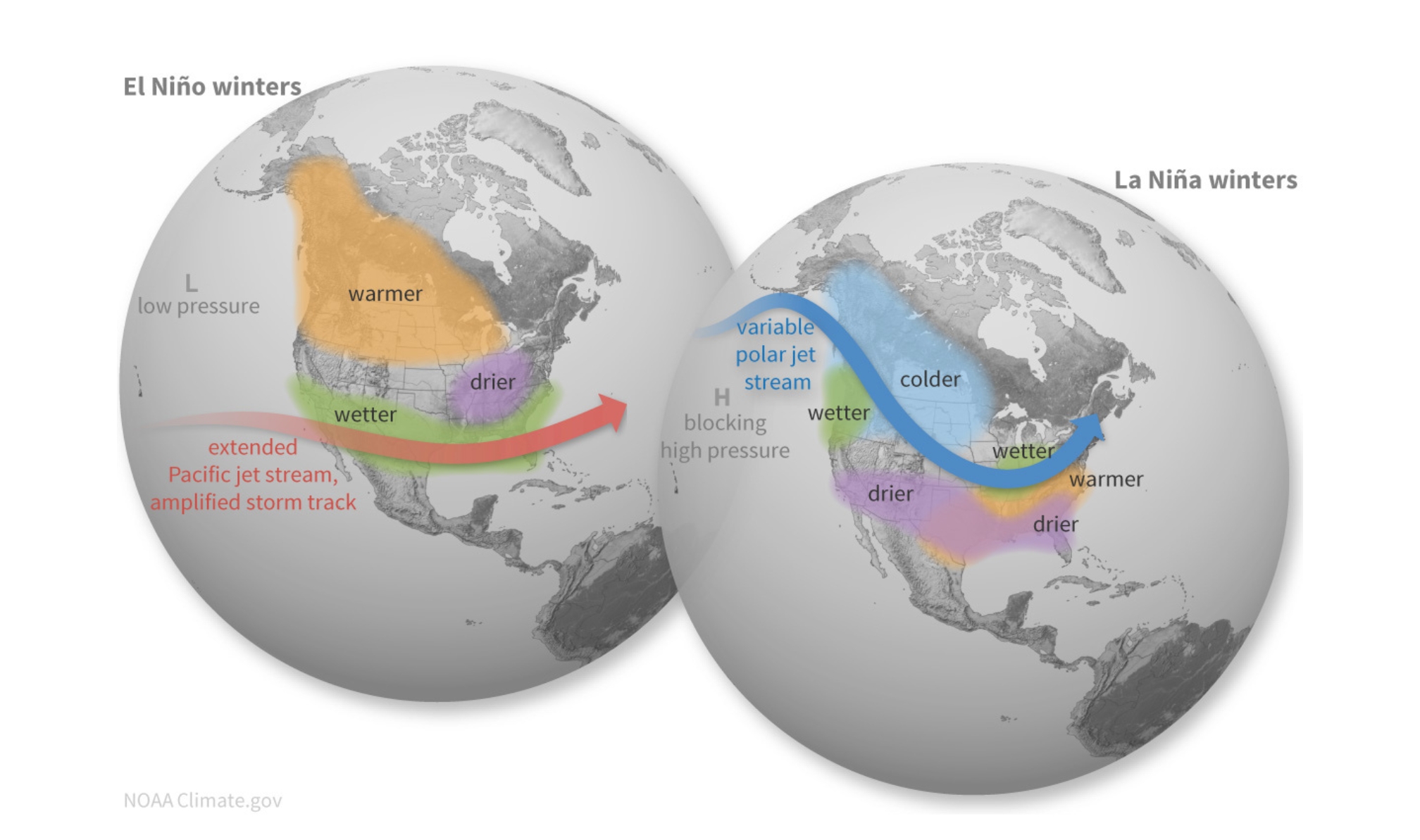
Both wildfires and floods have grown since our founding, with wildfire size growing and regularly spanning more regions vs 2021. On the day we launched in 2021, 38,000 wildfires had burned 3.2 million acres across the country that year. On the same date in 2026, that number is 46,305 fires and 6.4 million acres. Flooding, which accounts for 90% of all natural disasters in the U.S., is also intensifying, with extreme rain increasing in every major U.S. region.
.png)
Our mission stays the same
As the scale of wildfire and floods rise, our approach stays the same.
"I've been through disaster, and after you go through what my community has been through, it changes you. That’s the source of our drive to keep Watch Duty free, accessible, and human-vetted at its core." — John Mills, Cofounder & CEO
Thank you for all the support that’s kept us serving communities for five years. We'll be here for you for many years ahead.


.jpg)