
The Hidden Link Between Fires and Flooding
(Photo by National Park Service)
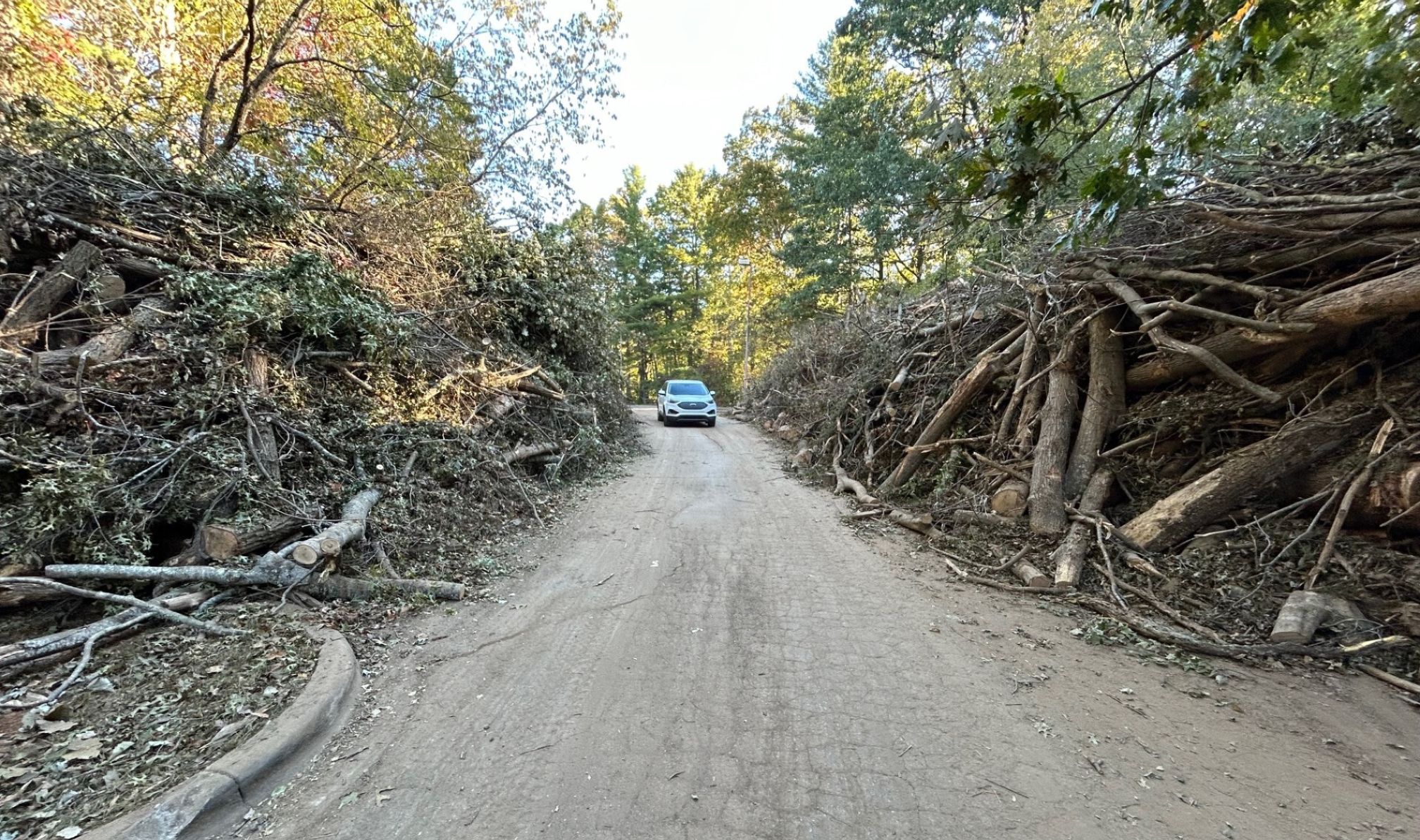
In the wake of Hurricane Helene, the residents of North Carolina face a new threat. Heavy rains from the storm softened the ground around tree roots so significantly that they were easily blown down by high winds – in fact, the North Carolina Forest Service found that more than 800,000 acres of timber across 17 counties had been damaged. (NCSU News)
That damaged timber is now fuel for fire. As Anthony Penland, a Fire Chief in Swannanoa Country, NC told us, “we’re looking at 5-10 years of wildfire danger in our area.”
Most people think of wildfires and floods as separate, even opposite, events. In reality, they feed off each other. As extreme weather becomes more frequent and seasons grow less predictable, that connection matters more than ever.
Scorched earth is ripe for flooding and debris flow.
When a wildfire burns through a hillside, it leaves behind more than ash. The soil itself is transformed: scorched earth becomes ‘hydrophobic’ – repelling water rather than absorbing it – and it can take up to six years to recover. (UCANR)
When the ground can’t absorb water, flooding can surge.
"If you burn all that grass and brush, there's nothing to hold the topsoil," says Kevin Fetterman, Watch Duty's Senior VP of Public Safety Strategy, who spent nearly three decades in fire service leadership. "So you get conditions for mud and debris flow."
After a major fire, specialists from the U.S. Geological Survey and state agencies prepare for potential flooding events by mapping the burn area to model rain risk, analyzing burn severity, topography, and drainage patterns, and identifying which communities face the greatest threat. It's meticulous work. Increasingly, there's little time to do it.
"Normally, a burn area rehab team has months to prepare for winter rains," says Pete Curran, Watch Duty's Incident Meteorologist. "Now, more fires are happening ‘out of season’. After the LA wildfires, for example, that didn't happen. Teams had to go immediately from managing the wildfires to mitigating mud and debris flow hazards — walking the residential streets of the Palisades and Eaton burns, assessing lot by lot which had the highest potential for debris flow."
Between mid-January and mid-February 2025, California’s Watershed and Debris Flow Task Force deployed more than 500 personnel who laid over 630,000 feet of protective material and filled thousands of sandbags across the two burn scars — work that would normally unfold over an entire winter, compressed into roughly a month.
Floods take down trees that create wildfire risk.
The relationship runs the other way too. Heavy rain, rising water, and extreme wind can topple trees. That fallen timber dries out over the following months and becomes what fire crews call knockdown fuel: dense, compacted dead wood on the ground, primed to burn.
"Look at North Carolina after Helene," Kevin says. "Thousands of acres of trees were damaged by rain and knocked down by wind. Now all that material is on the ground, and it’s a very real fire hazard."
These dangerous post-flooding conditions had real-world impact in December 2024, when high-winds downed power lines and sparked two wildfires in McDowell County, NC. The recent flooding from Hurricane Helene had left the area with severe damage, which helped this new spark spread into a more than 500-acre wildfire that took four days to contain. (North Carolina State Climate Office.)
It’s not just downed-timber that extreme conditions leave in their wake. Heavy rain seasons also produce excess grass – a prime fuel for wildfires to spread.
"Fire starts small," Kevin says. "Most start with grass, and then move into brush and trees. Excessive rain causes excessive grass growth, so a wet year means more fuel."
The gap is closing.
For much of recent history, wildfire season and flood season were divided by enough time to prepare. Fires burned in summer; rains came in winter; communities had months to shore up burn scars before the next season arrived. That window is narrowing. The average wildfire season across the western U.S. is now roughly 105 days longer than it was 35 years ago, producing three times as many large fires (over 1,000 acres) compared with the 1970s. (Climate Central)
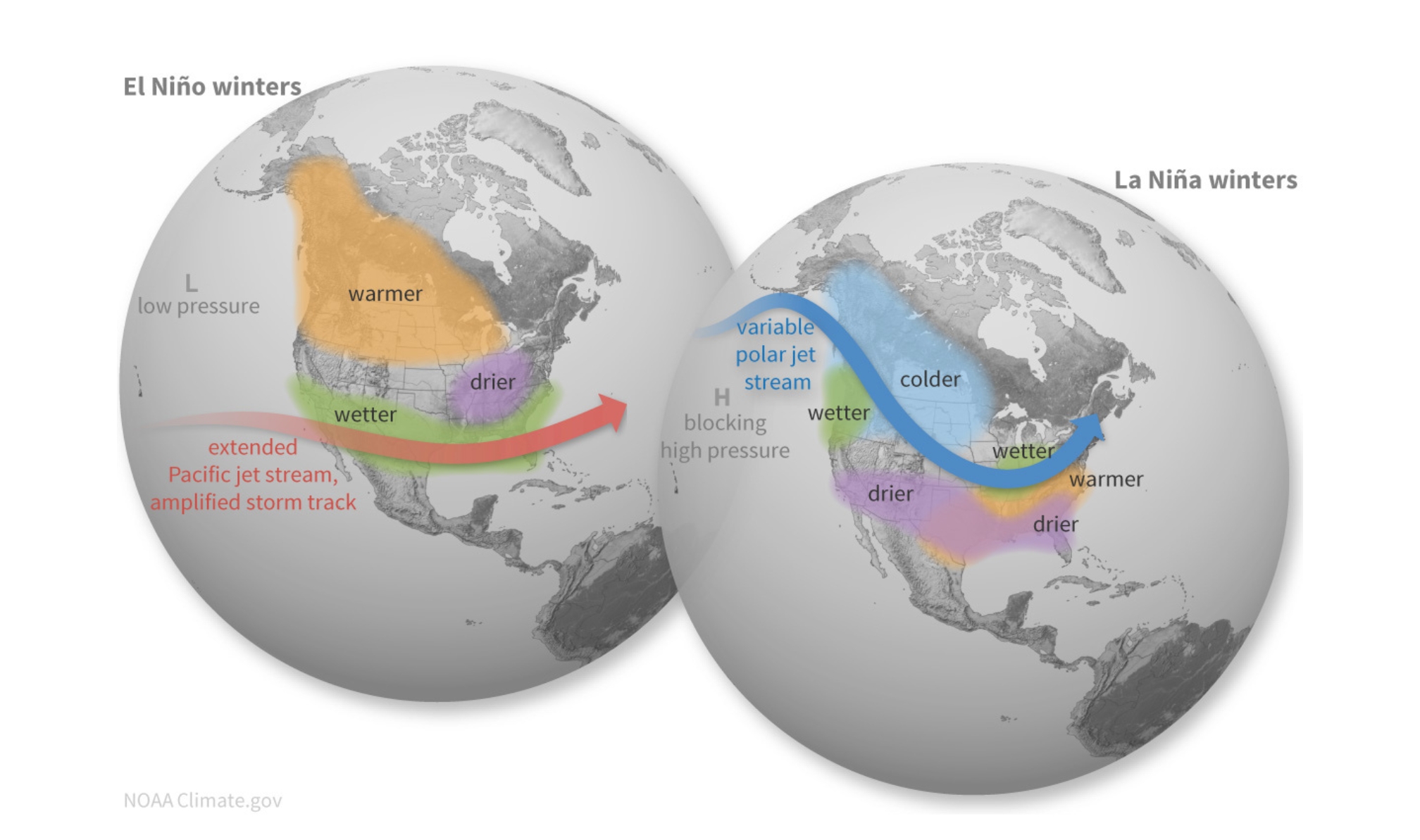
"Over the last decade, we are seeing more extreme weather events — fire-related weather, flooding, extreme wind," Pete says. "If states like California, Nevada, Arizona or Southern Utah have a very busy fire season and lots of new burn scars, followed by an early, wet El Niño rainy season? That's a disaster in the making."
Fire and flood are not separate risks. They are, by their nature, deeply connected.
If you’ve lived through the impact of wildfires or floods in the past, or you’re concerned about the potential for disasters in your region, Watch Duty now covers both wildfire and major floods in the app. Our teams are monitoring local risk, tracking signals of impending or active disasters, and reporting in real-time to help keep you safe, informed, and prepared.


.jpg)
.png)